

Trash Talk

OAM Listed as a Top Osteoporosis Center by US News and World Report

Orthopaedic Associates of Michigan has been listed as a Top Osteoporosis Center by US News and World Report for their involvement in the Own the Bone® program, which they became involved with in 2008. Developed by the American Orthopaedic Association, the Own the Bone® program was developed as a quality improvement program to address the osteoporosis treatment gap and to prevent secondary fragility fractures.

The Own the Bone® program provides a simple, easy-to-use tool to enable hospitals, medical centers, and practices to:

  • Identify, evaluate, and treat fragility fracture patients over the age of 50 who are at risk of osteoporosis.
  • Coordinate patient care among different specialties and physicians for each patient.


Own the Bone® is aimed at better identifying, evaluating and treating patients who suffer from an osteoporosis or low bone density-related fragility fracture (a broken bone that results from a fall from standing height or less). The program brings focus to the severe health implications of fragility fractures and the multi-faceted approach hospitals and orthopaedists can take to assure patients receive consistent, complete, and comprehensive care.

The program consists of a national registry that allows OAM to qualitatively evaluate how our patients compare to others in the US, showing how OAM patients are positively affected by the Own the Bone® program.

“OAM has done even more now that they touch all patients who come to the office with consistent care,” said Clifford Jones, MD, OAM Bone Heath Clinic. “It’s an honor to be listed as one of the top programs in the US concerning bone health, especially when you compare that to which nationally known programs are listed in the registry.”

For additional information about Orthopaedic Associates of Michigan and our involvement in the Own the Bone® program, please contact our Bone Health Clinic at (616) 459-7101.


Sources: American Orthopaedic Association – Own the Bone®, Clifford Jones, MD

ACL Injuries More Common In Female Athletes

One of the biggest nightmares of an athlete is injuring their anterior cruciate ligament (ACL). An ACL injury can sideline them for the remainder of the season, and possibly interfere with their preparedness for the following season. An ACL injury is most commonly a tear in one of the ligaments if the knee that connects the upper leg bone (femur) to the lower leg bone (tibia). The ACL is what keeps the knee stable, and there is a possibility that an injury may develop into chronic ACL deficiency. This can lead to osteoarthritis, sliding of the bone and looseness of the knee.

An ACL injury can occur when the knee joint is hyperextended, twisted and bent backwards or from side to side or twisted. This can happen when you suddenly change direction or experience a blow directly to the knee. Many factors contributing to the injury include ground hardness, grass type and cleat type.

Over the past few years, doctors have seen a significant number of female athletes with ACL injuries. Research shows that women are twice as likely to experience an ACL tear than men. Researches have developed several theories as to why women experience more injuries. The top theories include:

  • Anatomic Differences
    There are many anatomic differences between men and women, including pelvis width, Q-angle, size of the ACL and size of the intercondylar notch (where the ACL crosses the knee joint).
  • Hormonal Differences
    It is known that the ACL has hormone receptors for estrogen and progesterone, and it has been thought that hormone concentration could play a role in ACL injuries. (There has been come conflicting data with this research, and research continues to be conducted to support this theory.)
  • Biomechanic Differences
    Stability of the knee is dependent on different factors. The two most important are the static and the dynamic stabilizers of the knee. The static stabilizers are the major ligaments of the knee, including the ACL. The dynamic stabilizers of the knee are the muscles and tendons that surround the joint. Women have been found to have differences in biomechanic movements of the knee seen when pivoting, jumping, and landing – activities that often lead to an ACL injury.


The symptoms of an ACL injury usually appear suddenly, because most commonly the injury occurs during activity (such as playing sports). The injury may include hearing or feeling a popping sound in the knee, pain, swelling and feeling the knee buckle or give out.

Your doctor can confirm the injury by looking for signs of instability of the knee or conducting an MRI. Once your doctor has diagnosed the severity of the injury (the ACL can tear partially or completely), it is necessary to follow the treatment prescribed, or the injury can be come a long-lasting problem. Treatment can include exercise and training rehab or surgery. The healing process can take anywhere from seven to nine months.  The goals of treatment are:

  • Make the knee stable if it is unsteady.
  • Make the knee strong enough to do all the activities you use to do.
  • Reduce your chance of damaging the knee more.


To avoid experiencing an injury to the ACL, there are several techniques athletes can use. Training drills that require balance, power and agility helps improve the neuromuscular conditioning and muscular reactions, which has shown a decrease in the risk of an ACL injury. Dr. T.O. Souryal, a member of Professional Team Physicians indicated in an interview with ESPN that flexibility, strength and endurance are crucial to protecting the knee, along with using common sense. While trying a sport you have never played before, it is important not to push yourself too hard and risk an injury. In regards to flexibility, athletes should stretch before a sporting activity, at halftime or time-outs and after the activity. Strength and endurance are important because strength gives you the power you need to run and jump during activities, and endurance gives you the ability to participate for the full activity.

The doctors at Orthopaedic Associates of Michigan have worked with patients experiencing varying severities of ACL injuries. They can determine the extent of your injury and the best course of treatment. For an appointment, please call 616-459-7101.


Sources: WebMD, Sportsmedicine.about.com, ESPN, Orthopadeics.about.com, Online Orthopaedics


The Importance of Home Safety in Fall Prevention

With the holidays around the corner, many families will welcome elderly loved ones into their home. But did you know your home could be dangerous for seniors? In fact, a home is the most common place people take a fatal fall. Falls can result in sprains, cuts, bruises, broken bones, tailbone or spinal injuries, fractures of the hip, vertebrae and pelvis as well as traumatic brain injuries. In some cases, these injuries can be serious and may require hospitalization or lead to long-term injury.

Falls in the home account for an average of 5.1 million injuries and almost 6,000 deaths each year, according to The Home Safety Council. These falls are preventable by following safety guidelines and recommendations in and around your home. The Home Safety Council provides the following home safety tips to keep people of all ages safe in their home.

•    Have handrails on both sides of stairs and steps.
•    Make sure there is adequate lighting at the top and bottom of the stairs.
•    Keep stairs clear of tripping hazards.
•    Tape rugs to the floor to prevent tripping over them.
•    Have nightlights in the bedroom, hall and bathroom so you can see if you need to get up at night.
•    Have a mat or non-slip strips in the bathtub and shower.
•    Use non-skid bottom bath mats on the bathroom floor.
•    Add grab bars in the tub or shower, especially for senior citizens.
•    Clean up all spills as they happen. Do not leave them where someone else could slip on them.
•    In homes that have children, use safety gates at the top and bottom of stairs.
•    Have well lit porches and walkways.
•    Keep sidewalks and paths clear.
•    Fix broken or chipped steps and walkways as soon as possible.
•    Always use a sturdy ladder when climbing; do not climb on chairs.
•    When using a ladder make certain it is firmly on the ground. Never climb to the top rung of a ladder.

With winter quickly approaching, it is necessary to assure that your driveway, stairs and yard are maintained to prevent outside falls.  Most people love snow in the wintertime; it is beautiful to look at and can provide fun outdoor activities like skiing, sledding and building snowmen. But for some individuals, especially senior citizens, snow can be scary and hazardous. The following tips can help assure the safety of your home and yourself if followed correctly.

•    Wear shoes that have traction. The better the traction of the shoe, the more they will grip the ground. If you go somewhere that you need to wear dress shoes, be sure to take them with you and change once you are safely inside.
•    Check the railings on your sidewalk or steps to assure they are sturdy. If you were to slip, you can catch yourself on the railing. It is important to keep the railing itself clean too, to make sure you can grip it if needed.
•    Keep salt and shovel inside your house. That will prevent you from having to walk outside in the snow to get it.
•    Carry a cell phone with you while you are outside; if you were to fall, you could call for help. It also provides security if you are driving in winter weather conditions and have an accident.
•    Don’t be afraid to ask for help while in public. If you do not feel that you can safely make it to your vehicle, speak to an employee and they will provide assistance. If you are in public and see someone having difficulty walking on the ice and snow, offer assistance if you are able.
•    While in public, take notice of floors and stairs that may be wet and slippery due to snow melting off shoes. Walk carefully.
•    Go slow to keep your balance. Be sure to allow for extra time so you do not have to rush.
•    Strengthen your legs. If you slip, your leg muscles can help catch you. If you do fall, they can help you get up easier.
•    Be aware of falling snow and ice from your roof or gutters. Try to keep the area above your doors and garage free of ice and snow by safely removing what you can, or having it removed by professionals.
•    Before the snow arrives, be sure to remove wet leaves from your sidewalk and walkways. Wet leaves can become slippery and pose a hazard.

Falls can happen to people of all ages. By following the above recommendations, you can help keep your family and houseguests safe. If you have experienced a fall, the doctors at Orthopaedic Associates of Michigan can provide the help you need to get back on your feet. To schedule an appointment, please call us at 616-459-7101.


Sources: Home Safety Council, Winter Fall Prevention Tips for Seniors, WebMD

Hand Injuries Obtained During Fall Sports

As the fall sporting season progresses, doctors are seeing an increased number of patients suffering from sport-related injuries. Two popular fall sports – football and volleyball – commonly result in injuries to the fingers, hand and wrist area. Hand injuries occur because the hand is typically in front of the athlete in most sports. Therefore it absorbs most of the contact. Because the hand does not bear weight in many sports, there is a tendency to overlook the severity of the injury.

There are two general types of sports injuries. An acute traumatic injury usually involves a single blow and can result in a fracture, bruising, strain, sprain, abrasion or laceration. The second type of sports injury is an overuse or chronic injury. These injuries happen over a period of time, and can include a stress fracture, tendonitis or epiphysitis (growth plate overload injury).

An article by Cory Darrow in the American Journal of Sports Medicine indicates that more than 150,000 football players under the age of 15 seek treatment for injuries in hospital emergency rooms each year. One of every seven severe high school football injuries (e.g., those that result in a loss of more than three weeks of sports participation) are to the hand, finger or wrist. Some of the most common hand and wrist injuries obtained while playing football are wrist sprains, finger fractures and wrist tendonitis.

A wrist sprain can be an injury to a muscle or tendon and causes pain, tenderness, swelling, redness and warmth to the touch. R.I.C.E. is the first line of treatment for a sprained wrist and includes: Rest, Ice, Compression and Elevation. Finger fractures are considered minor trauma but can become a serious problem if not given the opportunity to heal properly. The signs of a fracture are swelling, pain and tenderness, pain in the hand when you tap the end of the finger while it is straight, inability to move finger completely and deformity. To properly treat a finger fracture, you will need to see a doctor who will put the finger back into place and put it in a splint or cast to heal. Wrist tendonitis is an irritation and swelling of the tissue that surrounds the tendons of the thumb. Symptoms include pain in the front of the wrist, pain while bending and extending the wrist and swelling. Steroid injections and anti-inflammatory medicines are most commonly used to treat tendonitis. In more serious cases, surgery may be necessary.

Another popular fall sport that can lead to hand and wrist injuries is volleyball. Hand and finger injuries are common in volleyball while setting, spiking and blocking the ball. Most injuries occur when the ball forcefully hits the fingertips. According to volleyballheadquarters.com, the most common injuries are sprains and strains, followed by fractures, contusions and dislocation of thumb or fingers. The joint of the thumb is the most commonly injured ligament in the hand (known as a thumb sprain) along with finger sprains. To reduce the risk of injury, keep your fingers close together and loosely tape them if necessary. (Symptoms and treatment of volleyball injuries are similar to those listed above for football injuries.)

The good news is that most sports injuries can be treated effectively, and many people who suffer injuries can return to physical activity after recovering. Fortunately, many sports injuries can be prevented if people take the proper precautions. It is important for athletes to wear protective gear, regularly perform strengthening exercises, stretch before every practice and game and learn proper form and techniques. Additionally, athletes need to understand that they should not play through the pain. If there is pain or an injury, playing sports before it has properly healed could lead to further, more severe, damage.

If you have suffered a sports injury or are experiencing chronic pain that progressively increases with activity, it is important to refrain from further activity until you can be examined by a doctor. The doctors at Orthopaedic Associates of Michigan can determine the extent of your injury and the best course of treatment. For an appointment, please call 616-459-7101.

Sources: Darrow, Cory et al., “Epidemiology of Severe Injuries Among United States High School Athletes.” American Journal of Sports Medicine, 37, no. 9 (2009): 1798-1805. TeensHealthSports Medicine at About.com, Volleyballheadquarters.com

Pumpkin Carving Precautions to Avoid Hand and Tendon Injuries

Now that pumpkin patches are filled with large orange gourds, we automatically start thinking of Halloween and jack-o-lanterns. Pumpkin carving is a fun family activity but it needs to be done with caution, especially if children will be helping. Emergency room physicians and hand surgeons have become accustomed to injuries from pumpkin carving this time of year.

According to the American Society for Surgery of the Hand (ASSH), pumpkin carving can result in serious lacerations to the hand and also injuries to bones and tendons if precautions are not taken. The most common accidents associated with pumpkin carving are stab wounds to the fingers and palm. A study conducted by the Research Institute at Nationwide Children’s Hospital in Columbus, OH examined holiday-related pediatric injuries. The study results indicated that Halloween was one of the top three holidays producing ER visits, with the highest percentage of injuries being to the finger and hand. Of those injuries, 33.3% were lacerations and 20.1% were fractures. Children ages 10-14 sustained the greatest proportion of injuries at 30.3%.

An injury can happen very quickly, which is why it is necessary to be cautious and attentive while carving pumpkins. The ASSH recommends the following safety tips while carving:
•    Carve in a clean, dry, well-lit area to prevent slipping of the pumpkin or the knife.
•    Always provide adult supervision for children.
•    Let adults handle all carving. Children can help draw patterns, scoop out the insides and decorate the pumpkin once it has been carved.
•    A sharper knife is not necessarily better because it can become wedged in the thicker part of the pumpkin, requiring force to remove it.
•    Use a pumpkin carving kit that includes a small, serrated pumpkin saw. They are less likely to get stuck in the thick pumpkin tissue. These types of kits are recommended by most physician organizations such as the American Society for Surgery of the Hand, American Academy of Family Physicians and the American Academy of Pediatrics.

If an injury were to occur, the ASSH recommends the hand be elevated above the heart and direct pressure applied to the wound with a clean cloth to stop the bleeding. If continuous pressure does not slow or stop the flow within 15 minutes, a trip to an emergency room may be necessary. If there is any numbness in the fingers or an inability to move the fingers, then the individual should go to an emergency room. The American Academy of Orthopaedic Surgeons believes it may be wise to follow-up with a hand surgeon to make sure everything is okay and nothing needs to be repaired.

While some of the injuries are minor, many involve nerves and tendons in the fingers that require complex surgery for reconstruction and months of therapy for recovery. In situations with severe lacerations, an orthopaedic hand specialist will be brought in to assess the injury and check if a tendon, blood vessel, nerve or combination of the three have been severed and will determine if surgery is required.

Be sure to follow the above safety tips to have a safe, accident-free pumpkin carving experience!

The Orthopaedic Associates of Michigan have experience working with injuries of all types. Please call 616-459-7101 to set up an appointment.


Sources: American Society for Surgery of the Hand, American Academy of Orthopaedic Surgeons, American Academy of Family Physicians, American Academy of Pediatrics, PubMed.gov – Epidemiology of pediatric holiday-related injuries presenting to US emergency departments.

Improved Ability to Diagnose and Prevent Osteoarthritis via MRI

Osteoarthritis, the most common form of arthritis, is a degenerative joint disease that affects an estimated 27 million people. It occurs when the cartilage that cushions the bones breaks down, causing pain, swelling and stiffness, primarily in hip and knee joints.

Risk factors for osteoarthritis include excess weight, knee injuries, frequent bending of the knee and excessive strenuous physical activity. The disease progresses slowly over several years, while pain gradually increases and can potentially lead to disability. Early diagnosis can help prevent the severity of the disease, if the patient takes precautionary measures.

The Radiological Society of North America (RSNA) found in a recent study that people could reduce their risk or help prevent the onset of osteoarthritis by engaging in light exercise. Thomas M. Link, MD, indicated that high-impact activities such as running at least three times a week or frequent knee bending, can lead to more degenerated cartilage and possibly a higher risk of developing osteoarthritis. MRI results of the RSNA study showed that participants who engaged in light exercise had healthier cartilage than those who regularly engaged in strenuous exercises.

MRI scans allow doctors to monitor the progression of the disease and evaluate joint damage. Researchers from Lund University and Harvard Medical School have developed a method to measure the degree of osteoarthritis using an MRI scanner. The method, called dGEMRIC (delayed gadolinium-enhanced MRI of cartilage), allows the disease to be monitored in ways not previously possible. By analyzing the cartilage layers, scientists can unravel the complexities of the disease, leading to new treatments and prevention methods.

Traditionally, osteoarthritis is diagnosed after joint pain and stiffness have become persistent and the joint cartilage damage is found on an xray. By this point, the joint damage is usually severe, and only the symptoms are treated.  It is too late to make a difference to attempt to slow the disease. With the new osteoarthritis MRI method, the concentration of molecules known as glycosaminoglycans (GAGs) in the joint cartilage can be determined. Alexej Jerschow, PhD, indicates that the concentration of GAGs goes down in osteoarthritic cartilage, affecting the cartilage tissue’s toughness and elasticity. By monitoring patients over time, researchers can determine what stage the disease is in and if it is starting to affect other joints.

Osteoarthritis generally affects older individuals. It is important to be proactive and protect your joints as early as possible; there are several ways to protect joints and control joint pain. A few of the simple options are:
•    Maintain a healthy diet to lose excess weight.
•    Aerobic exercises (i.e., swimming, walking and riding a bicycle).
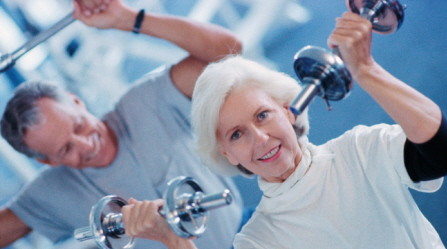
•    Strength training exercises such as weightlifting help strengthen muscles that support the joints.
•    Range-of-motion activities to keep the joints limber.
•    Stretching exercises to increase flexibility and relieve stiff joints.
•    Massage to relieve pain and increase blood flow.
•    Cold packs and heating pads help relieve aching joints. (Use cold or heat throughout the day for 20 to 30 minutes at a time.)
•    Anti-inflammatory medication to help with pain.
•    Corticosteroid injections to relieve pain and inflammation.

Physicians at Orthopaedic Associates of Michigan work with patients in all stages of osteoarthritis. If you are experiencing any of the symptoms of the disease or would like to discuss your risk factors, please contact us at 616-459-7101 for an appointment.


Sources: What You Can Do To Help Prevent Osteoarthritis, Early Diagnosis of Osteoarthritis Possible Using MRI, National Institute of Arthritis and Musculoskeletal and Skin Diseases (NIAMS), Arthritis Today – New Technology May Enable Early Osteoarthritis Diagnosis, WebMD

Frozen Shoulder Syndrome – Diagnosis, Prevention and Treatment

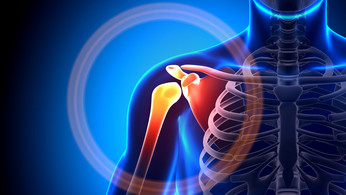
Frozen shoulder syndrome (FSS), medically called adhesive capsulitis, is a condition in which the joint capsule becomes inflamed, making the joint stiff and difficult to move. The condition occurs generally on one side, and can be frustrating to patients due to the constant pain, restricted movement of the shoulder (leading to less use of the arm) and slow recovery time.

Diagnosis
A sign of FSS is the joint becomes very tight and stiff, making it difficult to do everyday tasks, such as carrying a bag, putting on clothing or even raising the arm. The condition can be caused from trauma to the area, being immobilized after a surgery, a fracture or conditions such as diabetes, Parkinson’s disease, hyperthyroidism or cardiac disease. Unfortunately, it can also occur in people who do not experience any of the risk factors; the causes are not completely understood. FSS occurs in about 2% of the general population, and most commonly affects people between the ages of 40 and 60 (a majority of which are women).

FSS can be described in three stages, and the symptoms will vary depending on the stage:
Stage 1 – (The ‘painful’ or ‘freezing’ stage) This stage can last anywhere from six weeks to nine months. This is the time when there is a slow onset of pain, which is often worse at night or when laying on the affected side. As the pain worsens, the shoulder will lose motion.

Stage 2 – (The ‘stiffening’ or ‘frozen’ stage) This stage can last from four to six months. During this stage the pain may start to improve, but stiffness will continue to be a problem. Daily activities may become difficult and generally leads to lack of use of that arm.

Stage 3 – (The ‘recovery’ or ‘thawing’ stage) This stage can last between six months and two years. During this stage, the shoulder motion will slowly begin to return to normal. There will be a decrease in pain, although it can still occur as the stiffness eases.

Prevention
Because the recovery time for FSS can be long and arduous, it is important to take steps whenever possible to prevent the condition from occurring. A few easy steps to help prevent it are:
•    Stretching your shoulder and back muscles daily.
•    Stretching your tendons (by rotating hands and palms to stretch different tendons).
•    Practicing good ergonomics while sitting at a desk and using a computer.
•    Maintaining a healthy immune system.
•    Doing range-of-motion exercises as early as possible after an injury or surgery.
•    IF you have diabetes, it is necessary to monitor it closely.

Treatment
There is a variety of treatments available, and our doctors will help you determine which is right for you. More than 90% of patients improve with relatively simple treatments to control pain and restore motion. Common treatments consist of:
•    Physical therapy or sports therapy.
•    Oral steroids or anti-inflammatory medicines (i.e., aspirin, ibuprofen) to reduce pain and swelling.
•    Steroid medication injections directly into the joint.
•    Nerve block (short-term pain relief option)
•    Surgery if other options fail. Surgery is followed by aggressive rehabilitation which must be followed closely.

If you think you may be experiencing the symptoms of FSS, it is important to seek medical advice as soon as possible. Early diagnosis through medical exams or imaging tests (such as xays or MRIs) can help ease stiffness if you begin treatment immediately. The doctors at Orthopaedic Associates of Michigan have extensive experience and knowledge working with patients who suffer from FSS. We will help you determine the best treatment to become pain free and regain full use of your shoulder and arm.

Contact us today for an appointment at 616-459-7101.

Sources: AAOS, Frozen Shoulder Syndrome, Dr. Ben Kim, How to Prevent a Frozen Shoulder, www.sportsinjuryclinic.net

Our O.T. Goes to D.C.

Local Occupational Therapist Attends Conference in Washington, D.C.

Washington, D.C. – Tim Mullen, PhD, OTR/L, CHT of (City) Grand Rapids, Michigan attended the American Occupational Therapy Association’s (AOTA) 2011 Hill Day in Washington, D.C., on September 19, 2011.  More than 400 politically active occupational therapy practitioners from around the United States took part in the annual Fly In. Discussed were occupational therapy’s legislative priorities including, eliminating the Medicare Outpatient Therapy Cap and educating Congress regarding occupational therapy as part of the health care solution.

Eliminating the caps on outpatient rehabilitation remains one of the top legislative concerns for AOTA.  AOTA supports elimination of these caps because they are arbitrary, inappropriate and potentially harmful to the most vulnerable Medicare beneficiaries.

A highlight of the conference was a visit to Capitol Hill to meet with Senator Levin’s staff, Senator Stabenow’s staff and Representative Amash.

Founded in 1917, the American Occupational Therapy Association (AOTA) represents the professional interests and concerns of more than 140,000 occupational therapists, assistants and students nationwide. The Association educates the public and advances the profession of occupational therapy by providing resources, setting standards including accreditation and serving as an advocate to improve health care. Based in Bethesda, Md., AOTA’s major programs and activities are directed toward promoting the professional development of its members and assuring consumer access to quality services so patients can maximize their individual potential.

For more information, go to www.aota.org.

Osteoporosis Risk Factors for COPD Patients: Heightened Awareness

This time last year we told you about the various osteoporosis risk factors such as smoking, calcium deficiencies and other factors in our Learning About Osteoporosis Risk Factors We Can Control blog post. We also highlighted the risks associated with the long-term use of medications like prednisone, cortisone, prednisone, and dexamethasone and how they may weaken and damage bone tissue.

Many patients with Chronic Obstructive Pulmonary Disease (COPD) rely on steroids like steroid medications especially those with advanced disease.  Combined with a history of smoking and other factors, doing so accelerates these risks.  A significant proportion of patients also report that, in addition to their pulmonary disease, they have other conditions that may limit their ability to exercise. One of the most frequent concerns is “thin bones,” or osteoporosis. It is estimated that between one in ten or even one in five patients with COPD are affected by osteoporosis.

Osteoporosis is a disease in which the mineral density of the bones is inappropriately low, compared with what is expected as a result of the normal aging process. The consequence of low bone density includes an increased risk of fractures. In the general population, osteoporosis is more prevalent in postmenopausal women and between men older than 75 years, probably due to age-related changes in sex hormones. Additional risk factors include lack of exercise, being underweight, poor nutritional status, alcohol, and tobacco use. The use of systemic steroids is another risk factor. Unfortunately, many of these risk factors are shared by patients with COPD: advanced age, tobacco use, lack of exercise, low weight, and systemic steroid use. Therefore, it is not surprising that osteoporosis is so common in patients with COPD.

However, some investigators believe that the inflammation associated with the disease of COPD itself may contribute to bone loss. Similar inflammatory cells and chemical mediators of inflammation in the blood stream could be responsible for both destruction of the lungs and the bone, but more research will be needed before arriving at a definitive conclusion. In support of a possible relationship between COPD and osteoporosis, researchers have shown that the frequency of osteoporosis and its precursor osteopenia(low-normal bone density) increases in parallel with decreased lung function and increasing emphysema. Additionally, for years a persistent concern has been the potential for COPD medications, including inhaled corticosteroids, to increase the risk for osteoporosis, although there is currently no definitive evidence that they have a negative effect on bone health in COPD.

In any given individual, osteoporosis is a risk factor for fractures. In COPD patients this can be particularly problematic. Spine fractures and rib fractures may impair an already limited respiratory capacity and make maintaining an effective cough effort more difficult. Hip fractures may also lead to immobility and trigger a downward spiral of decreased exercise capacity and breathlessness.

The most important measures COPD patients can take to improve their bone health include quitting smoking, exercise such as that provided in a supervised pulmonary rehabilitation program, maintaining a healthy weight and ensuring adequate intake of calcium and vitamin D.

Because of the increased risk for osteoporosis, many experts believe that people with COPD, male or female, should undergo regular evaluations for bone density and discuss the results with their healthcare provider. Patients can do this at the Bone Health Clinic at Orthopaedic Associates of Michigan. We provide comprehensive orthopedic bone health care, including diagnosis, treatment, therapy, education, and research. The Clinic provides patient and family risk assessments, dietary information, coordinates lab and pharmacy services, and offers specialized physical and occupational therapy—all with the goal and focus of promoting bone health, reducing fracture risks, accelerating healing, and preventing re-fractures.

Contact us today for an appointment at 616-459-7107.

Sources: OAM Physicians, Mayo Clinic, WebMD, National Osteoporosis Foundation, National Heart Lung and Blood Institute

No Pain, No Gain – Working Out with Joint Pain

“No pain, no gain,” we have all heard this statement before. Whether our gym teacher yelled it during class or our coaches screamed it across the football field, many of us have lived with this statement to always push ourselves past the point of pain to improve our game or to lose more weight, gain more muscle or become better experts at our sport. But the real question is, does this really work for those of us who suffer from joint pain or arthritis? Simply put, no, we have to be careful and use logic when working out or we can cause more damage than good.

Did you know that one in every five adults has arthritis symptoms[1] that can cause pain when moving, let alone when considering working out? But trying the right exercise can actually be a great solution for your sore joints.[1]

Exercise releases endorphins, which improves blood flow to the affected area. This in turn can increase your range of motion and ease joint pain, both of these effects can make you feel better.

It is normal to feel a little bit of muscular soreness the day after a workout, but experiencing sharp pain during or immediately after could actually mean an injury.

We came across an article in the Arthritis Today health publication that notes some guidelines to use when working out with arthritis.[2]

If you experience intense pain in a specific area of the body before you work out, consider focusing on a different body part for the next couple of days. If you continue to push joints in discomfort you may increase pain and damage to that joint.

If you experience average to intense pain during your workout, stop. Do not continue. This might be a sign that you are experiencing joint inflammation or maybe even joint damage.

If you experience joint pain after your workout, consider a workout that puts less pressure on your joints. Suggested replacements include swimming, water aerobics, dancing or even biking. Think of those as three-dimensional workouts which allow a great range of motion without the heavy joint pressure.[3] The key is to have low-impact workouts that get your heart rate up, but keep pressure off of your joints.

Perhaps you experience average to intense pain a day or so after working out. Be reasonable and reduce the intensity of the workout.  It’s okay to take a day off, then follow it up with a shorter and less intense workout. Don’t be surprised, but your pain may still continue. If this happens you’ll need to try a different workout. Swap out running (considered a high-impact workout causing plenty of pressure on the joints, especially when running on pavement) for low-impact water aerobics.

Now that we have addressed some types of workouts that could lessen the pressure on your joints and hopefully slow down the damage you may experience, you are probably wondering how frequently you should still work out

Like any type of physical activity or training, you can’t start from sedentary and expect to be doing high levels of activity. The Centers for Disease Control and Prevention recommends aiming for 150 minutes of working out a week to keep up aerobic and cardiovascular levels. You’ll want to include some strength-building exercises twice a week. For more balance and flexibility you’ll want to aim for about three days per week. But remember, start off slowly and increase your work out length over time. The exercises above are ones that benefit both those suffering from joint pain and arthritis as well as those who are joint pain free.

Before you begin any workout program or lifestyle change, please consult your primary care physician or OAM orthopedic specialist to learn what is safe for you to do and how often.

Call us at 616-459-7101 to learn more low-impact workout options to ease aching joints.